Booth Number: PB532
I CAN AGE WELL
Aging gracefully and healthily is a combination of maintaining physical health, mental well-being, and fostering a positive lifestyle. By focusing on a balanced lifestyle that includes physical activity, proper nutrition, mental engagement, good sleep, and regular health care, you can significantly improve your quality of life as you age.
Another important aspect of aging well is preparing for retirement. It is crucial for ensuring financial security and a comfortable lifestyle in your later years. Starting early, being consistent with your savings, and planning for various retirement expenses will ensure you’re well-prepared for the transition to retirement.
Here are five ways to support healthy aging:
1. Stay Active Physically
- Exercise regularly: Physical activity helps maintain strength, flexibility, balance, and cardiovascular health. Aim for a combination of aerobic exercise (like walking, swimming, or cycling) and strength training (such as weight lifting or resistance exercises). Aiming for at least 150 minutes of moderate-intensity exercise per week is a great goal.
- Stretch and balance exercises: Yoga or Pilates can improve flexibility, posture, and balance, reducing the risk of falls and injuries as you age.
- Incorporate daily movement: Find opportunities to stay active throughout the day—take the stairs, walk around the block, or do light stretching during TV time.
2. Eat a Nutrient-Rich Diet
- Prioritize whole foods: Focus on nutrient-dense foods, such as fruits, vegetables, whole grains, lean proteins, and healthy fats. These support brain function, muscle mass, and overall well-being.
- Limit processed foods: Reduce intake of refined sugars, excessive salt, and processed snacks, which can contribute to chronic health conditions like diabetes, hypertension, and heart disease.
- Stay hydrated: Drink plenty of water throughout the day. As we age, we may feel less thirsty, but staying hydrated is essential for maintaining energy, joint health, and proper digestion.
3. Take Care of Your Mental Health
- Stay mentally active: Engage in activities that challenge your brain, like reading, puzzles, learning a new skill, or playing a musical instrument. Keeping your brain stimulated can help delay cognitive decline.
- Manage stress: Practice stress-reducing techniques such as mindfulness, meditation, or deep-breathing exercises. Chronic stress can negatively affect your immune system and increase the risk of age-related conditions.
- Maintain social connections: Stay socially engaged by maintaining relationships with friends and family, joining clubs, or participating in community activities. Social interaction is linked to better mental and emotional health, especially as we age.
4. Prioritize Sleep
- Get enough quality sleep: Aim for 7-9 hours of sleep each night. Sleep is essential for physical and mental restoration, and poor sleep is linked to higher risks of cognitive decline, heart disease, and other health issues.
- Create a sleep routine: Go to bed and wake up at the same time every day, and create a relaxing pre-sleep routine (such as reading or practicing relaxation techniques). A good sleep environment—cool, dark, and quiet—can improve sleep quality.
- Limit screen time before bed: Reduce exposure to blue light from phones, computers, or TVs before bedtime, as it can interfere with your ability to fall asleep.
5. Regular Health Check-ups and Preventive Care
- Routine medical screenings: Regular check-ups and preventive screenings can catch potential health issues early, such as high blood pressure, cholesterol, diabetes, or cancers. Talk to your healthcare provider about what screenings are right for you based on your age and family history.
- Vaccinations: Stay up-to-date with vaccinations, such as the flu shot, shingles vaccine, and others that can protect you from infections as you age.
- Monitor bone health: As we age, bone density tends to decrease, increasing the risk of fractures. Ensure you’re getting enough calcium and vitamin D, and discuss bone health with your doctor, especially if you’re at risk for osteoporosis.
Bonus Tip: Stay Positive and Embrace Aging
- Cultivate a positive mindset: Research shows that having a positive outlook on aging can lead to better health outcomes. Embrace the wisdom and life experience that comes with age, and focus on the things that bring you joy and fulfillment.
- Practice gratitude: Regularly reflect on the things you’re grateful for—it can improve your emotional health and help foster a sense of well-being as you age.
Here are five ways to get ready for retirement:
1. Build and Diversify Your Savings
- Start early: The earlier you start saving, the more time your investments have to grow due to compound interest.
- Retirement accounts: Contribute to tax-advantaged retirement accounts like 401(k)s, IRAs, or Roth IRAs. Make sure you’re taking advantage of any employer matches or government tax breaks.
- Diversify investments: Invest in a mix of stocks, bonds, and other assets to minimize risk. A diversified portfolio helps balance growth and protection against market fluctuations.
2. Understand Your Retirement Goals
- Estimate retirement expenses: Consider how much money you will need to live comfortably. This includes housing, healthcare, food, transportation, leisure, and other lifestyle expenses.
- Plan your lifestyle: Think about the activities you want to pursue after retirement—travel, hobbies, or part-time work. This can help you estimate costs and guide your saving strategy.
- Target a specific age for retirement: Set a clear retirement age based on your financial goals and how much you’ll need to save.
3. Pay Off Debt
- Eliminate high-interest debt: Prioritize paying off high-interest credit card debt and loans before retirement. Reducing financial obligations will give you more freedom during retirement.
- Plan for a debt-free retirement: Try to pay off your mortgage or any long-term loans before retirement. This will reduce monthly expenses and lessen financial stress.
4. Create a Retirement Budget
- Track your current spending: Understand where your money goes today so you can estimate future expenses in retirement.
- Adjust for retirement: Plan for a budget that accounts for any changes in your lifestyle. For example, you may spend less on commuting or work-related expenses but more on healthcare or leisure activities.
- Factor in inflation: Remember that costs will rise over time, especially healthcare. Ensure that your retirement savings and income can keep pace with inflation.
5. Plan for Healthcare Costs
- Understand Medicare and health insurance: Learn how Medicare works and what options you’ll have for health coverage once you retire. Consider supplemental insurance to cover gaps in Medicare.
- Save for medical expenses: Healthcare costs can be a significant part of retirement expenses. Consider opening a Health Savings Account (HSA) if you’re eligible, which can be a tax-efficient way to save for medical costs in retirement.
- Long-term care planning: Think about whether you might need long-term care in the future and consider insurance or other ways to fund those potential expenses.
Bonus Tip: Seek Professional Advice
- A financial advisor can help you develop a tailored plan based on your income, retirement goals, and risk tolerance. They can also help with tax planning and estate planning, ensuring that your retirement is not only financially secure but also protected for your heirs.
In addition to the AMIkids Employer Funded Pension Plan, AMIkids offers a Voluntary 403(b) retirement plan through Fidelity to all team members and there is no waiting period to get started! To learn more about this benefit or to sign up, contact Fidelity directly at 800-343-0860 using group # 64688 or by going online to www.Fidelity.com/atwork.
Session
Session Number: PS533
Healthy Aging
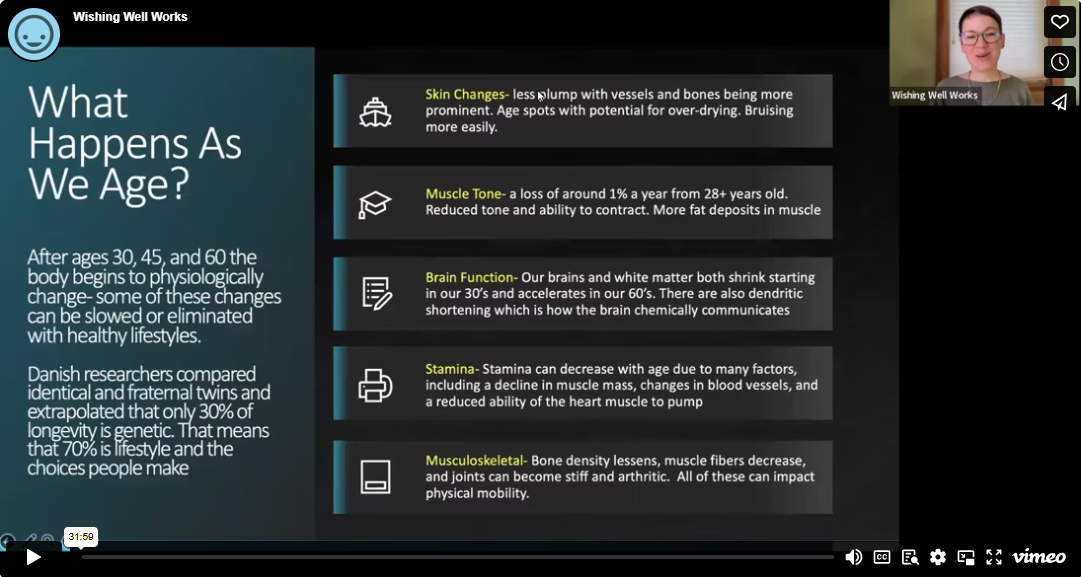
Aging is inevitable, but we can be actively aware of how to age in a healthy way throughout our life. This session goes over healthy aging topics such as: primary prevention, skin health, nutrition and body composition, memory and cognitive function and many more! Come to this session to learn how to age gracefully and in your best health.
About our Speaker
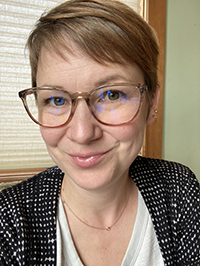
Kim Hanlon
Kim Hanlon believes that emotional wellness – how we cope with loss, change, disappointment, and even success – is an often overlooked but critical aspect of wellbeing. She is ever inspired by the Desmond Tutu quote, “There comes a point where we need to stop just pulling people out of the river. We need to go upstream and find out why they’re falling in.” Kim received her masters in Health Education, specializing in Holistic Nutrition, from John F. Kennedy University in 2015, and is also an Advanced Certified Grief Recovery Method Specialist. She uses her background in grief, nutrition, behavior change, integrative wellness, and stress management to help people thrive even amidst the ups and downs of life. Outside of work, Kim enjoys time with family, being active in her community, gardening, creating art, and cooking.
Session
Session Number: PS534
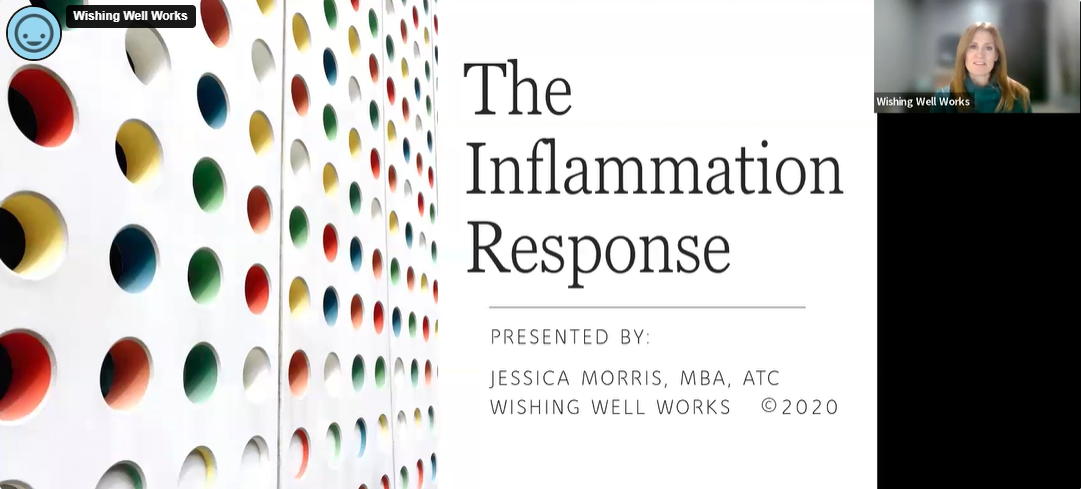
The Inflammation Response
The webinar looks at inflammation and the causes of it within the human body. We will talk about not only foods that cause/reduce inflammation but what diseases are directly related to inflammation. We will also talk about natural ways to reduce inflammation.
About our Speaker
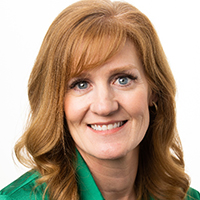 Jessica Morris
Jessica Morris, ATC, MBA – A former collegiate athlete with over 25 years of experience in health and wellness, Jessica loves helping people be the healthiest they can be. She uses a holistic lens, taking a whole-person approach, when working with clients. She earned a degree in Exercise Science from Northern Kentucky University and holds certifications as a board-certified athletic trainer, personal trainer, and health coach. Seeing a need to provide support for mental well-being, in 2023 she became a Certified Resilience & Thriving Facilitator and Mental Health First Aider. Since 2023, she has provided over 100 resilience workshops helping individuals and teams become more resilient in the face of adversity and stress. Jessica resides in the Cincinnati Metropolitan Area with her husband and enjoys golf, pickleball, traveling, and being an amateur mixologist. She is the mother of two and gained a stepdaughter in 2020.
Session
Session Number: PE535
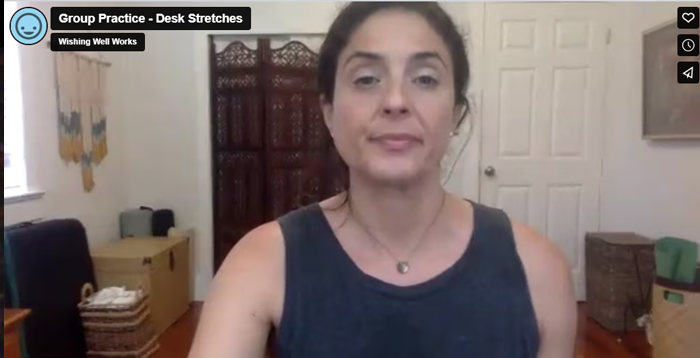
Desk Stretches
We spend so much time at our desk!
Join us for this 20 minute application class where participants learn stretches and exercises to do at their desk to help prevent neck and back pain.
About our Speaker
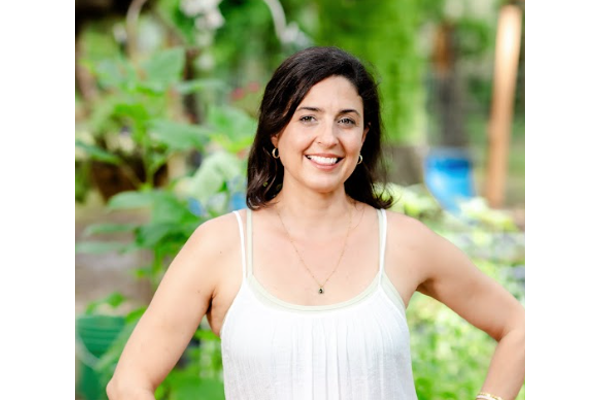 Karmen M. Plasencia
Video Assets

Downloadable Assets
Aging Well Tip Sheet
Top 10 Ways to Prepare for Retirement
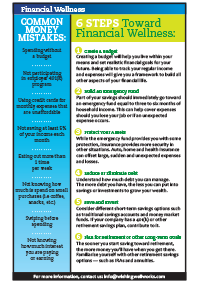
Financial Wellness