Booth Number: EB261
I CAN MANAGE STRESS
Managing stress is essential for maintaining both mental and physical health. By incorporating stress management strategies into your daily life, you’ll be better equipped to handle life’s challenges with resilience and a calm mind. It’s all about finding what works best for you and making it a regular practice.
Here are 10 effective tips to help you reduce and manage stress:
1. Practice Deep Breathing
- Deep breathing exercises, like diaphragmatic breathing or the 4-7-8 technique, activate your body’s relaxation response. Take slow, deep breaths through your nose, hold for a few seconds, and exhale slowly through your mouth. This can help calm your nervous system and reduce stress levels.
2. Engage in Regular Physical Activity
- Exercise is one of the most effective ways to relieve stress. Activities like walking, running, yoga, or swimming release endorphins, which are natural mood elevators. Even a short walk can help clear your mind and reduce tension.
3. Prioritize Sleep
- Lack of sleep can amplify stress. Aim for 7-9 hours of quality sleep each night. Develop a bedtime routine that promotes relaxation, such as avoiding screens before bed, reading, or practicing gentle stretching.
4. Practice Mindfulness and Meditation
- Mindfulness meditation involves focusing on the present moment without judgment. It can help reduce anxiety and improve emotional regulation. Even just 5-10 minutes a day can make a big difference in managing stress.
5. Break Tasks into Smaller Steps
- If you’re feeling overwhelmed by a big project or multiple responsibilities, break them down into smaller, more manageable tasks. Focus on one step at a time, and celebrate your progress as you complete each part.
6. Set Boundaries
- Learn to say no when necessary. Overcommitting yourself can increase stress. Be mindful of your limits and prioritize your well-being. It’s okay to decline requests or ask for help when you’re feeling stretched too thin.
7. Connect with Others
- Social support is vital for managing stress. Talk to friends, family, or a counselor about what’s on your mind. Sometimes, just sharing how you feel can be incredibly relieving and help put things into perspective.
8. Engage in Creative or Relaxing Hobbies
- Hobbies like painting, gardening, reading, knitting, or cooking can be therapeutic. Doing something you enjoy helps take your mind off stress and provides a sense of accomplishment and relaxation.
9. Limit Caffeine and Alcohol
- While caffeine and alcohol may provide temporary relief, they can actually increase anxiety and disrupt sleep in the long run. Try reducing your intake, especially during stressful periods, and see how your body responds.
10. Laugh More
- Laughter is a natural stress reliever. Watch a funny movie, listen to a comedy podcast, or spend time with people who make you laugh. Laughter reduces cortisol (the stress hormone) and triggers the release of endorphins, improving your mood.
Session
Session Number: ES262
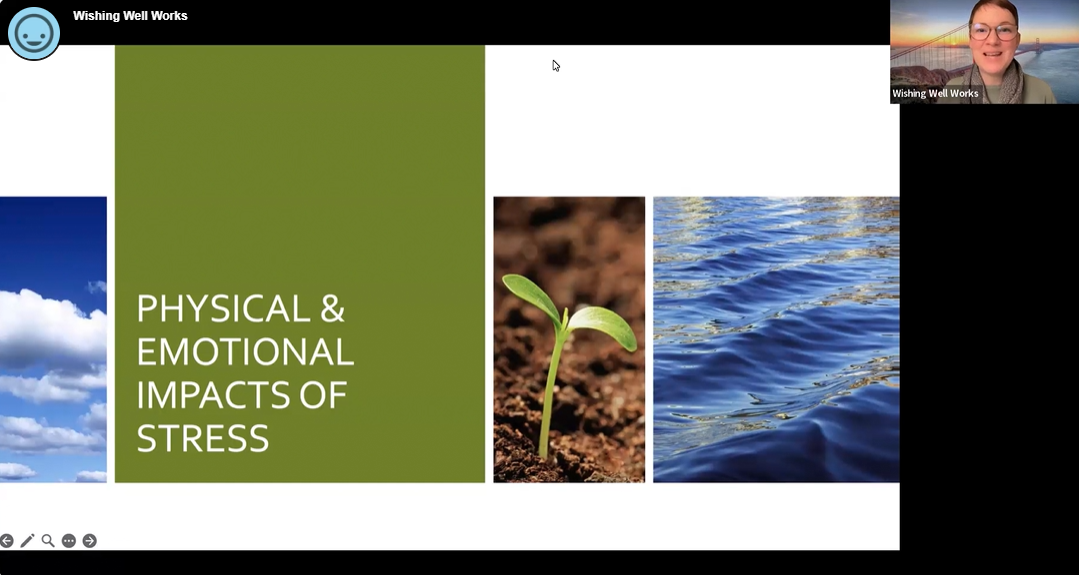
Physical & Emotional Impacts of Stress
This seminar examines all the ways in which stress negatively impacts people’s lives. It looks specifically at what happens to the physical body when someone is feeling stressed as well as how emotions are impacted. Join us to learn more about how stress is affecting your life and ways to reduce it’s impact.
About our Speaker

Kim Hanlon
Kim Hanlon believes that emotional wellness – how we cope with loss, change, disappointment, and even success – is an often overlooked but critical aspect of wellbeing. She is ever inspired by the Desmond Tutu quote, “There comes a point where we need to stop just pulling people out of the river. We need to go upstream and find out why they’re falling in.” Kim received her masters in Health Education, specializing in Holistic Nutrition, from John F. Kennedy University in 2015, and is also an Advanced Certified Grief Recovery Method Specialist. She uses her background in grief, nutrition, behavior change, integrative wellness, and stress management to help people thrive even amidst the ups and downs of life. Outside of work, Kim enjoys time with family, being active in her community, gardening, creating art, and cooking.
Session
Session Number: ES263
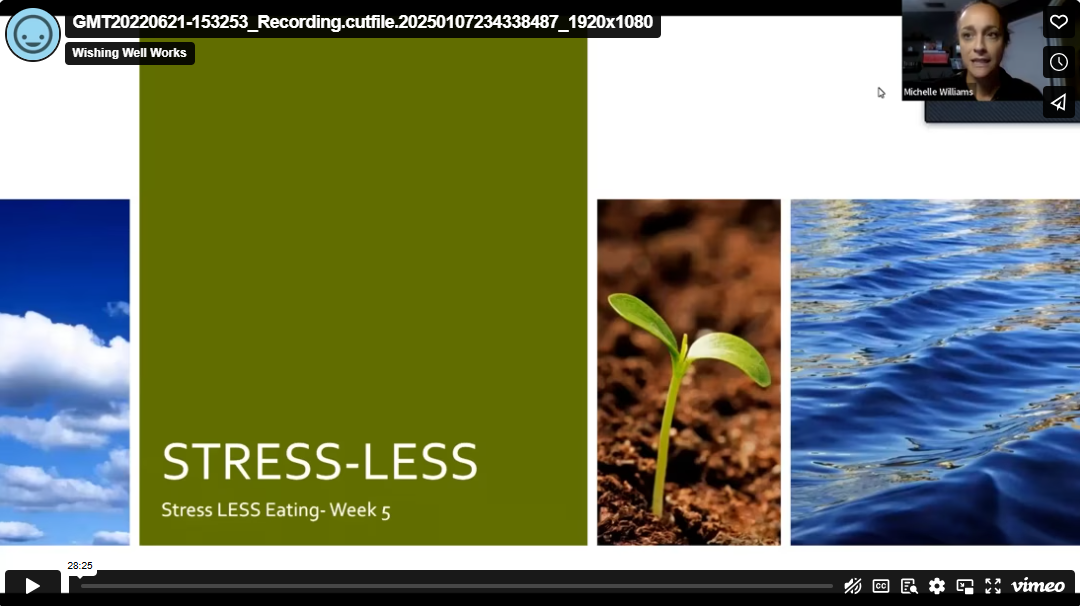
Stress-less Eating
This session specifically looks at how stress can impact not only the foods we choose to eat but also how and when we eat. Stress causes the body to release hormones and neurotransmitters in a way that is not ‘normal’, and therefore the body expresses hunger as a way to store food in the event of perceived danger. The body will also crave foods that tend to be unhealthy to provide quick energy to assist with the fight or flight action.
About our Speaker

Michelle Williams
Michelle Williams is the owner of Wishing Well Works, a corporate wellness company local to Tampa Bay. She has a graduate degree in human behaviors and has been working as a health educator for almost 20 years and has a team of GURUs that offer classes to businesses all over the Tampa Bay and New England areas.
Session
Session Number: EE264
Yoga
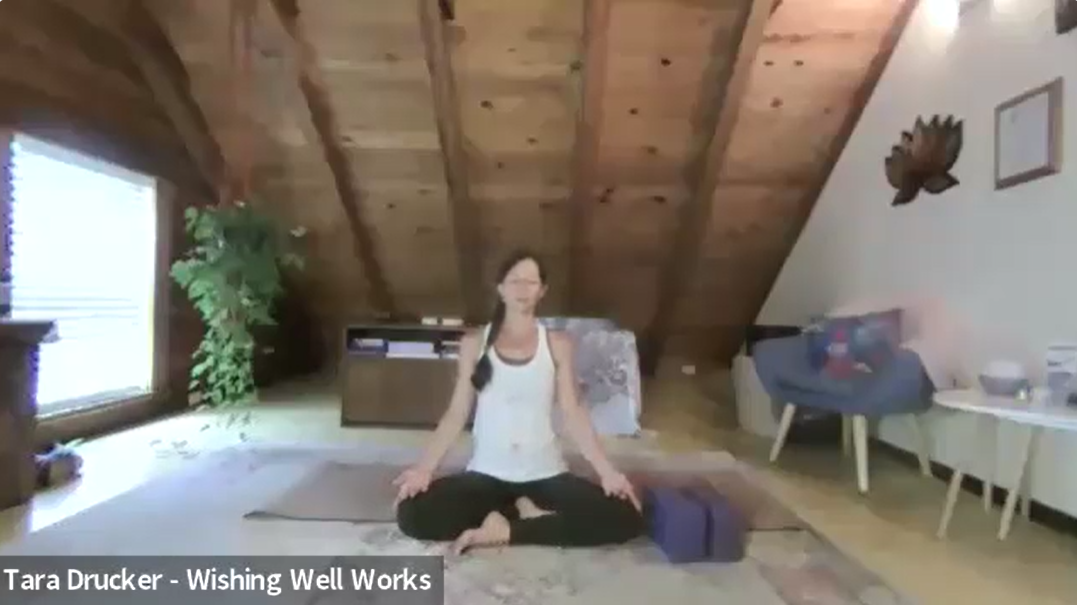
Join us for this 20 minute yoga class to reduce stress and reset your body and mind!
About our Speaker
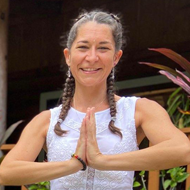
Tara Drucker
Tara has been a yogi for over ten years and teaching for almost two years. She has an easy way of showing new yoga participants how to practice even if its not ‘perfect’. She has two children and is a new addition to the Wishing Well Works Guru team.
Video Assets
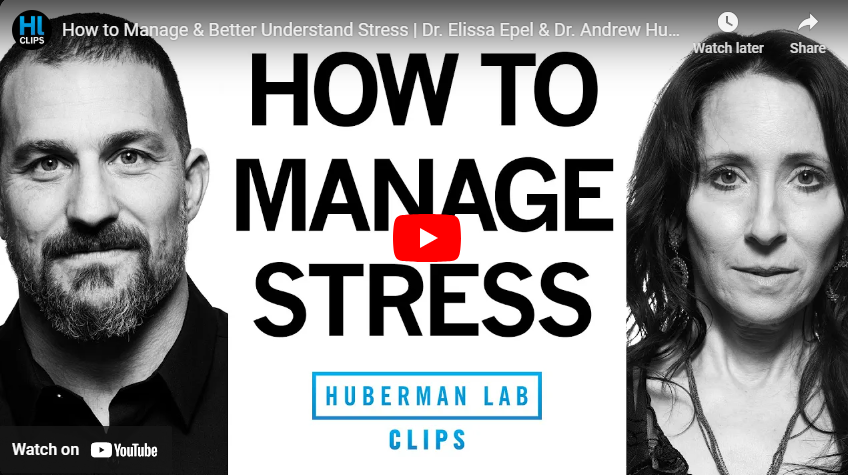
Downloadable Assets
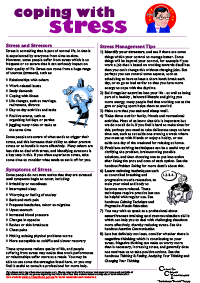
Coping with Stress
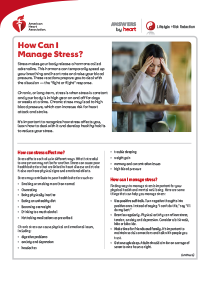
How Can I Manage Stress
How to Manage and Reduce Stress
Note: This should have a *Personal Use Only – if concerned speak with a doctor about results- not intended to be used as a diagnostic tool.