Booth Number: EB470

I CAN MANAGE TIME
Managing time effectively is key to reducing stress and increasing productivity. By implementing time management strategies, you can become more organized, reduce stress, and accomplish more in less time. Experiment with different methods to see what works best for you, and adjust your approach as needed.
Here are 10 practical tips to help you manage your time better:
1. Prioritize Tasks (The Eisenhower Matrix)
- Use the Eisenhower Matrix to categorize tasks into four quadrants:
- Urgent and Important (do these right away)
- Important but Not Urgent (schedule these)
- Urgent but Not Important (delegate if possible)
- Not Urgent and Not Important (consider eliminating these)
- Prioritizing helps you focus on what matters most and avoid wasting time on trivial tasks.
2. Set Specific, Achievable Goals
- Break larger tasks or projects into smaller, actionable steps with clear deadlines. Instead of a vague goal like “work on project,” specify “finish the research section by 2 PM.” This gives you a roadmap and helps you stay on track.
3. Use Time Blocks
- Block out chunks of time for specific tasks or types of work. For example, dedicate 9-11 AM for focused work, 11-12 PM for emails, etc. This helps prevent multitasking and creates structured periods of productivity. Use a digital calendar or planner to organize your blocks.
4. Eliminate Distractions
- Identify what commonly distracts you (e.g., social media, email, noisy environments) and take steps to minimize them. Consider using apps like Focus@Will, Forest, or Pomodoro timers to keep you focused, or put your phone on silent during key work periods.
5. Practice the 2-Minute Rule
- If a task takes less than two minutes to complete, do it right away. This prevents small tasks from piling up and overwhelming you. Whether it’s replying to a quick email or tidying your desk, the 2-minute rule helps clear your to-do list quickly.
6. Learn to Say No
- Saying “yes” to everything can overwhelm you and compromise your time management. Be mindful of your limits and be comfortable with politely declining commitments or delegating tasks that don’t align with your priorities.
7. Use a Time-Tracking Tool
- Track how you’re spending your time for a few days using apps like Toggl, RescueTime, or a simple time log. This helps you identify where you’re wasting time or areas for improvement, and it can highlight patterns in your productivity.
8. Set a Daily Plan and Review It
- Every morning (or the night before), create a list of what you need to accomplish and outline your tasks for the day. Review your progress at the end of the day, adjust where necessary, and make improvements for the next day.
9. Batch Similar Tasks
- Group similar tasks together (like answering emails, making phone calls, or running errands). This minimizes switching between different types of work, which can be mentally exhausting and time-consuming. Batching helps you stay in a productive flow.
10. Schedule Breaks and Downtime
- It’s important to take regular breaks to recharge. Use the Pomodoro technique (25 minutes of work followed by a 5-minute break) or take a longer break after a few hours of work. This ensures you’re working at your peak efficiency without burnout.
Session
Session Number: ES471
Breaking the Procrastination Habit
Procrastination is not just a time management problem. Researchers suggest that it’s a failure in self-regulation or self-control that leads us to act irrationally. Procrastination may relieve pressure in the moment, but it can have steep emotional, physical, and practical costs. Participants will discover the cause of their personal procrastination habits and gain useful tools to overcome this habit and feel more empowered in their everyday responsibilities!
About our Speaker

Becca Denli
Becca has a true passion for empowering others to reach their full potential in all areas of personal health, fitness and wellness.
Overcoming being extremely overweight most of her life by losing 100 pounds and conquering disordered eating, she understands what it takes to reach goals and take control of personal health. She has empathy for those on their own personal journey and feels privileged to work with them.
Becca is a Certified Health Coach and Personal Trainer with her Bachelor’s in Psychology and minor in Nutrition. She has a passion for taking a holistic approach to wellness by integrating mind, body, and soul.
Video Assets
Downloadable Assets
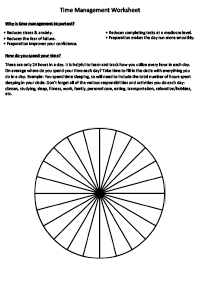
Time Management Worksheet
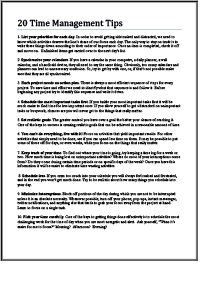
20 Time Management Tips
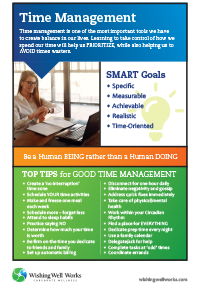
Time Management
Note: This should have a *Personal Use Only – if concerned speak with a doctor about results- not intended to be used as a diagnostic tool.