Booth Number: PB921
I CAN EAT HEALTHY
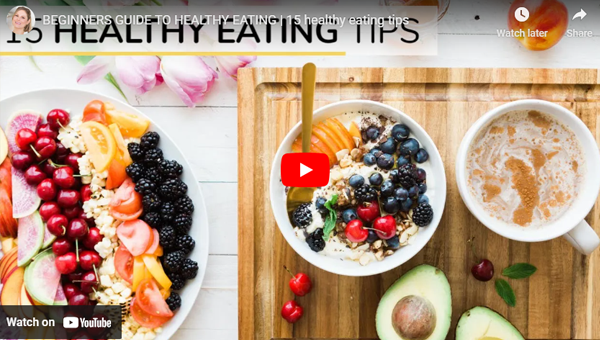
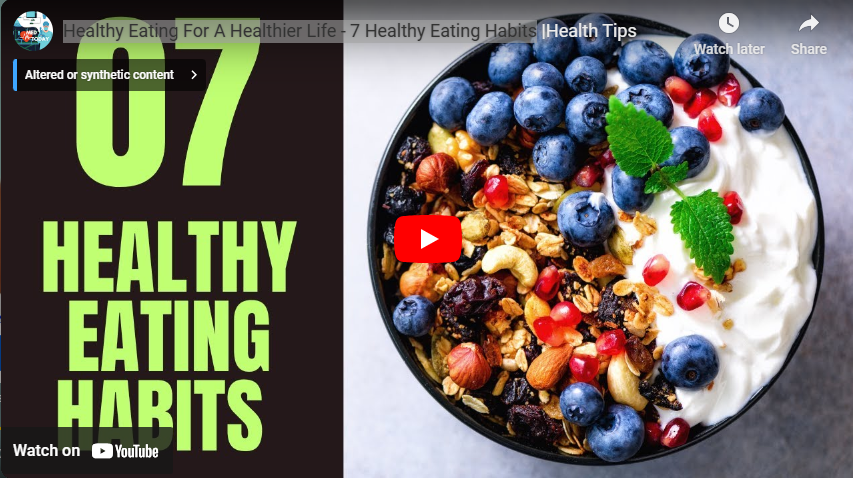
Eating healthy can seem overwhelming at first, but it’s all about making small, sustainable changes that fit your lifestyle. By making conscious adjustments, you can gradually develop a balanced, healthy eating routine. Small, consistent changes will have a long-term positive impact on your health!
Here are 10 tips to help you eat healthier:
1. Focus on Whole, Unprocessed Foods
- Aim to fill your plate with whole, minimally processed foods like vegetables, fruits, lean proteins, whole grains, and healthy fats (e.g., avocados, nuts, seeds, olive oil). These foods provide more nutrients and fewer empty calories.
2. Plan Your Meals
- Meal prepping and planning ahead can help you avoid last-minute unhealthy choices. Create a weekly menu, make a shopping list, and try to stick to it to minimize impulse buying of less nutritious foods.
3. Eat More Vegetables
- Vegetables are nutrient-dense and low in calories. Try to include a variety of colors and types in your meals (leafy greens, cruciferous veggies like broccoli, and root vegetables like sweet potatoes). Aim for half your plate to be vegetables at each meal.
4. Control Portion Sizes
- Even healthy foods can lead to weight gain if eaten in large quantities. Try using smaller plates, bowls, and utensils to help control portions, and listen to your body’s hunger and fullness cues.
5. Stay Hydrated
- Drinking enough water throughout the day is crucial for overall health. Water helps with digestion, regulates body temperature, and keeps your skin healthy. Aim for about 8 cups (64 oz) per day, but individual needs may vary based on activity levels and climate.
6. Limit Added Sugar and Processed Foods
- Foods like sugary drinks, candies, and highly processed snacks can contribute to weight gain, energy crashes, and chronic diseases. Look for foods with little or no added sugars, and read labels carefully to spot hidden sugars.
7. Incorporate Lean Proteins
- Protein helps with muscle building and satiety. Opt for lean sources like chicken, turkey, fish, tofu, beans, and legumes. Fish like salmon or sardines also provide healthy omega-3 fatty acids.
8. Choose Whole Grains
- Whole grains like brown rice, quinoa, oats, and whole wheat bread are richer in fiber and nutrients compared to refined grains. Fiber helps with digestion and keeps you feeling full longer.
9. Snack Smart
- Choose healthy snacks like fruits, vegetables with hummus, nuts, or Greek yogurt instead of chips, cookies, or sugary granola bars. Pre-portion snacks so you’re not overeating or reaching for unhealthy options.
10. Mind Your Eating Habits
- Eating mindfully can help you enjoy your food more and prevent overeating. Try to eat without distractions (like phones or TV), chew your food well, and savor the flavors. Taking your time to eat can help you recognize when you’re full.
Session
Session Number: PS922
Healthy Eating as a Habit
Join us to learn more about habitual eating and how to replace some less than healthy habits with new healthier ones. Eating is necessary to survival but when we eat mindlessly and habitually we tend to make choices that are not as healthy as those that come with planning, preparation, and deliberate decision making.
About our Speaker
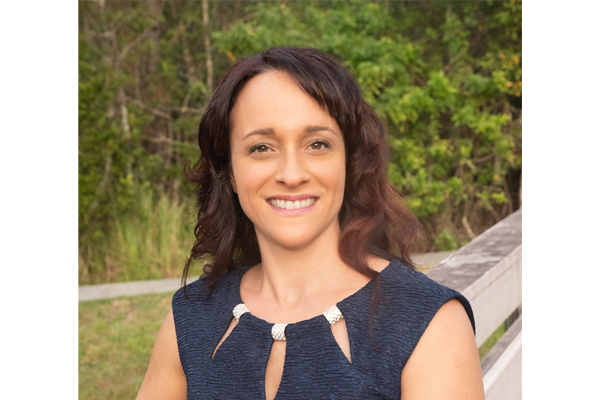
Michelle Williams
Michelle Williams is the owner of Wishing Well Works, a corporate wellness company local to Tampa Bay. She has a graduate degree in human behaviors and has been working as a health educator for almost 20 years and has a team of GURUs that offer classes to businesses all over the Tampa Bay and New England areas.

Session
Session Number: PS922
Importance of Hydration
This session is dedicated to what happens when people are dehydrated and details all of the symptoms associated with not drinking enough water.
About our Speaker
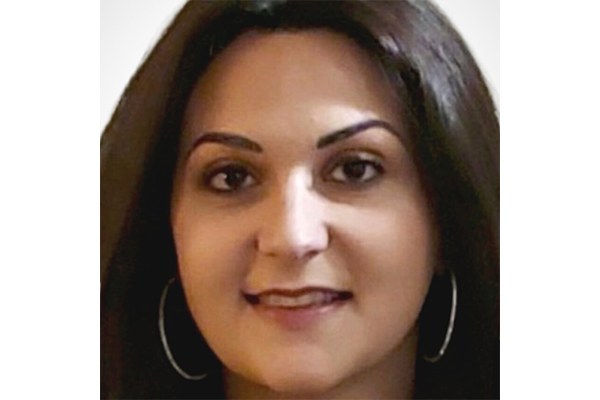 Ellie Booshehri
Ellie Booshehri, MPH, is a health educator with an extensive background in public health education and worksite wellness. After obtaining her Bachelor’s Degree in both Biomedical Sciences and Public Health from the University of South Florida, Ellie worked at the University Wellness Center where she became a founding member of the executive board and developed several health promotion and awareness campaigns that are still a part of the campus-wide curriculum. This experience led Ellie to pursue and receive her Master’s Degree in Public Health Education also from the University of South Florida where she worked in infectious and chronic disease prevention.

Video Assets
Downloadable Assets
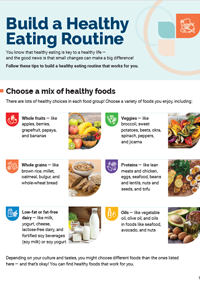
Build a Healthy Eating Routine
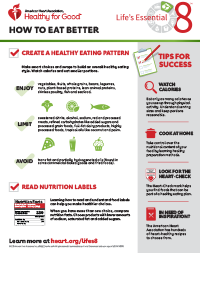
How to Eat Better
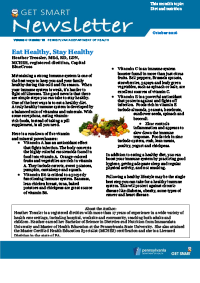
Eat Healthy – Stay Healthy